
The strategic value of understanding your institutional current state, planning your future state, and embracing the cultural shift of 2026 technology.
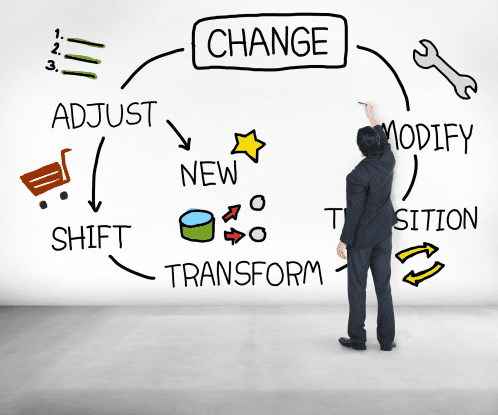
We’ve all heard the clichés: “change is inevitable” and “the only constant is change.” While technically true, these phrases often carry a negative connotation in higher education. Institutional discomfort and constant pressure are things most faculty and staff understandably seek to avoid. Often, we hide behind this avoidance to resist modernization, working harder to fight change than to embrace the opportunity to improve the student experience.
However, change doesn’t have to be a threat. By gaining a deep understanding of where your institution stands today and where it is headed in 2026, you can foster genuine excitement about transformation and use it as a catalyst for institutional health.
Educate and Prepare through Current State Process Improvement
In the complex landscape of a university, the best way to improve comfort with new initiatives is to educate and prepare. While it can be time-consuming to expose current “shadow processes” and departmental pain points, the value gained is immense.
Mapping the Current State allows us to understand not just what we do, but why we do it. Far too often, we facilitate workshops where stakeholders from the Registrar, Financial Aid, and IT realize they have no visibility into how their actions impact the student journey upstream or downstream. Through this discovery, we identify “quick hits”—inefficiencies that can be fixed today—while gaining a realistic understanding of why certain legacy hurdles exist (e.g., “this is how we’ve always done it” or specific accreditation regulations).
Think Ahead with Future State Planning
Once the current state is exposed, the next necessary step is planning your Future State. This isn’t about wishful thinking; it’s about a realistic representation of opportunity and growth for the institution.
Future state mapping balances institutional needs with the modern functionality of 2026 technology—like AI-driven student support and automated workflows—to optimize campus operations. As Albert Einstein said, “We can’t solve problems by using the same kind of thinking we used when we created them.” Your future state should be a blueprint for a more agile, student-centric organization.
Communication and Shared Governance
Using new technology to optimize campus processes is only successful if the people behind the processes are engaged. In academia, users may see new technology as a threat to their autonomy or job security. The reality is that the objective of modernization is not to replace the human element, but to eliminate the “administrative tax” on faculty and staff.
By clearly communicating that the goal is to make processes more efficient, you leave more time for high-value activities:
- Improved Student Service: More time for direct advising and mentorship.
- Academic Innovation: Shifting resources from manual data entry to research and teaching excellence.
- Institutional Sustainability: Significant cost reductions and closer compliance alignment.
- Higher Quality Experience: A seamless digital journey for students, from recruitment to graduation.
Overall, this value-add is made possible by combining a clear understanding of your Current State, a strategic Future State plan, and a holistic approach to Organizational Change Management.
Is your institution ready for the next step? Assess your organization’s readiness for change here
and learn more about our Higher Ed consulting services at tsi@transforming.com.